
We lived with dignity
the Jewish proletariat of Amsterdam, 1900-1940
Our rough guess is there are 69,500 words in this book.
At a pace averaging 250 words per minute, this book will take 4 hours and 38 minutes to read. With a half hour per day, this will take 9 days to read.
How long will it take you?
This book will take an estimated to read at a reading speed averaging words per minute. With 30 minutes per day, this will take to read.
Enter your reading speedYou can take one of our WPM reading speed tests to find your reading speed.
Create a free account to track your reading progress, build your reading list, and set reading goals.
We earn a commission on purchases
Author
Publication
1994 - Wayne State University Press, Detroit, Michigan
Language
English
Word Count
69,500 words, Guess
Page Count
278 pages
Identifiers
- Open LibraryOL1105590M
- ISBN-100814323383
- OCLC Control Number30971655
- OCLC Control Numberwelivedwithdigni0000leyd
- Library of Congress Control Number94030740
and 2 more
- Goodreads2934015
- LibraryThing4113576
Classifications
- DDC305.5/62/0899240492
- LCCHD8518.5.J5 L4813 1994
Description
In the first academic book to describe the life of poor Jews in Amsterdam between the two world wars, We Lived with Dignity captures in poignant detail the unique qualities of that city's Jewish ghetto before Hitler's reign of terror. Interviews with more than ninety survivors who shared memories of living conditions in the ghetto and their feelings about the tremendous changes they lived through create an oral history that has not previously been recorded in formal descriptions and archives. The research in this book raises questions and challenges assumptions about what the past was like and how it can be portrayed. Selma Leydesdorff suggests that oral history may not always be an accurate measure. Because memories about the period before the war are veiled by the massive slaughter of the Jews by the Germans, survivors often idealize their circumstances, burying under layers of romantic nostalgia the reality of hunger, poor housing, poverty and filth, unemployment, and a lack of social stability - precisely of the sort depicted in present-day literature about the old Jewish quarter. She found that the processing of practically every interview, every "fact," involved a struggle between reality, distortion, and myth. We Lived with Dignity contains more than people's stories. Leydesdorff confirms events, exposes the truth, and explains distortions by reference to other material. To bring order into the world she hears about, she frames her interviews with critical information including a summary of the historical, economic, and demographic relationships within which the Amsterdam Jewish proletariat lived; an explanation of the changes in living conditions and the conscious attempts that were made to help the Jews - a cultural and religious minority - adapt to what was regarded as "modern" or "progressive"; and a description of the culture of poverty, the strategies for survival that characterized it, and the apparent impossibility of escaping it.
Subjects
Topics
Times
Other Editions
- We lived with dignity: the Jewish proletariat of Amsterdam, 1900-1940
Similar Books
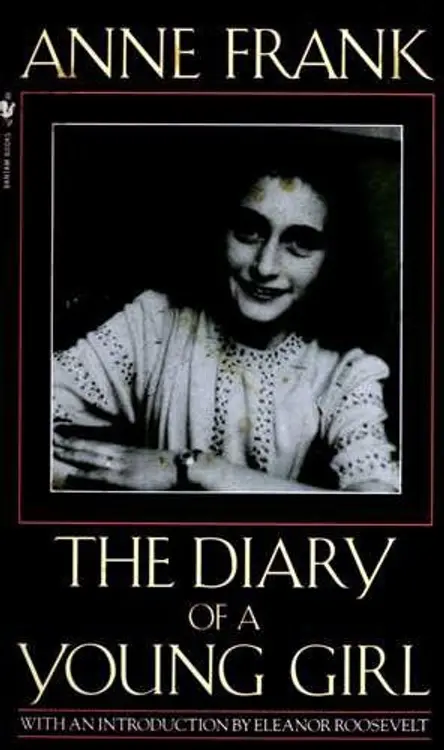
The Diary of a Young Girl
Anne Frank ; translated from the Dutch by B.M. Mooyaart-Doubleday ; with an introduction by Eleanor Roosevelt.
6h 8m read
Who was Anne Frank?
by Ann Abramson

Just a corpse at twilight
Janwillem van de Wetering.

Borneo-Sporenberg
edited by Rodolfo Machado.

An Interrupted Life: The Diaries, 1941-1943 ; and, Letters from Westerbork
Etty Hillesum ; translated from the Dutch by Arnold J. Pomerans ; foreword by Eva Hoffman ; introduction and notes by Jan G. Gaarlandt.

The Classic Slum: Salford Life in the First Quarter of the Century
Roberts, Robert, Robert Roberts
Reader Reviews
No reviews yet for this book.
Be the first to share your thoughts!