
Leaders Eat Last
Why Some Teams Pull Together and Others Don't
Our rough guess is there are 1,750 words in this book.
At a pace averaging 250 words per minute, this book will take 0 hours and 7 minutes to read. With a half hour per day, this will take 0 days to read.
How long will it take you?
This book will take an estimated to read at a reading speed averaging words per minute. With 30 minutes per day, this will take to read.
Enter your reading speedYou can take one of our WPM reading speed tests to find your reading speed.
Create a free account to track your reading progress, build your reading list, and set reading goals.
Author
Publication
2014-01-21 - Brilliance Audio
Word Count
1,750 words, Guess
Page Count
7 pages
Physical Format
Audio CD
Identifiers
- ISBN-101480542555
- ISBN-139781480542556
- Open LibraryOL27536684M
Description
Why do only a few people get to say “I love my job?” It seems unfair that finding fulfillment at work is like winning a lottery; that only a few lucky ones get to feel valued by their organizations, to feel like they belong. Imagine a world where almost everyone wakes up inspired to go to work, feels trusted and valued during the day, then returns home feeling fulfilled. This is not a crazy, idealized notion. Today, in many successful organizations, great leaders are creating environments in which people naturally work together to do remarkable things. In his travels around the world since the publication of his bestseller Start with Why, Simon Sinek noticed that some teams were able to trust each other so deeply that they would literally put their lives on the line for each other. Other teams, no matter what incentives were offered, were doomed to infighting, fragmentation and failure. Why? The answer became clear during a conversation with a Marine Corps general. “Officers eat last,” he said. Sinek watched as the most junior Marines ate first, while the most senior Marines took their place at the back of the line. What’s symbolic in the chow hall is deadly serious on the battlefield: great leaders sacrifice their own comfort—even their own survival—for the good of those in their care. This principle has been true since the earliest tribes of hunters and gatherers. It’s not a management theory; it’s biology. Our brains and bodies evolved to help us find food, shelter, mates and especially safety. We’ve always lived in a dangerous world, facing predators and enemies at every turn. We thrived only when we felt safe among our group. Our biology hasn’t changed in fifty thousand years, but our environment certainly has. Today’s workplaces tend to be full of cynicism, paranoia and self-interest. But the best organizations foster trust and cooperation because their leaders build what Sinek calls a Circle of Safety that separates the security inside the team from the challenges outside. The Circle of Safety leads to stable, adaptive, confident teams, where everyone feels they belong and all energies are devoted to facing the common enemy and seizing big opportunities. But without a Circle of Safety, we end up with office politics, silos and runaway self-interest. And the whole organization suffers. As he did in Start with Why, Sinek illustrates his ideas with fascinating true stories from a wide range of examples, from the military to manufacturing, from government to investment banking. The biology is clear: when it matters most, leaders who are willing to eat last are rewarded with deeply loyal colleagues who will stop at nothing to advance their leader’s vision and their organization’s interests. It’s amazing how well it works
Subjects
Topics
Other Editions
- Leaders Eat Last: Why Some Teams Pull Together and Others Don't
Show 4 more editions
Similar Books

Good to great: why some companies make the leap--and others don't
Jim Collins
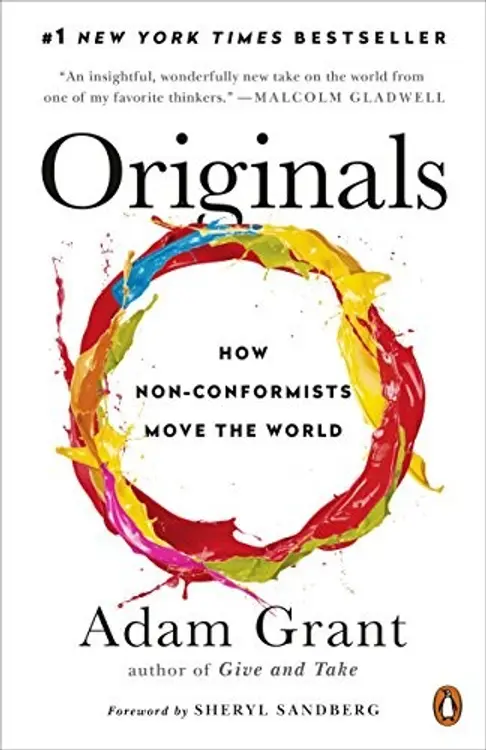
Originals: How Non-Conformists Move the World
Adam M. Grant

Multipliers: How the Best Leaders Make Everyone Smarter
by Liz Wiseman with Greg McKeown.
Reframing organizations: artistry, choice, and leadership
Lee G. Bolman, Terrence E. Deal
Rethinking Culture, Organization and Management
Robert McMurray, Alison Pullen
Reader Reviews
No reviews yet for this book.
Be the first to share your thoughts!