
When Indians Became Cowboys
Native Peoples and Cattle Ranching in the American West
Our rough guess is there are 72,000 words in this book.
At a pace averaging 250 words per minute, this book will take 4 hours and 48 minutes to read. With a half hour per day, this will take 10 days to read.
How long will it take you?
This book will take an estimated to read at a reading speed averaging words per minute. With 30 minutes per day, this will take to read.
Enter your reading speedYou can take one of our WPM reading speed tests to find your reading speed.
Create a free account to track your reading progress, build your reading list, and set reading goals.
Word Count
72,000 words, Guess
Page Count
288 pages
Physical Format
Paperback
Identifiers
- ISBN-100806128844
- ISBN-139780806128849
- LibraryThing2324470
- OCLC Control Number30072628
- Better World Books9780806128849
and 1 more
- Open LibraryOL7939756M
Classifications
- LCCE78
- DDC978
- LCCE78.W5 I94 1994
Description
In this book on Indian cattle ranching, Peter Iverson describes a way of life that has been both economically viable and socially and culturally rewarding. Thus an Indian rancher can demonstrate his generosity and his concern for the well-being of others by giving cattle or beef to relatives, or by feeding people at a celebration. An expert rider possesses a skill appreciated by others. A rancher who raises prime cattle demonstrates that Indians can compete in an activity that dominates the surrounding non-Indian society. Focusing on the northern plains and the Southwest, Iverson traces the rise and fall of individual and tribal cattle industries against the backdrop of changing federal Indian policies. He describes the Indian Bureau's inability to recognize that most nineteenth-century reservations were better suited to ranching than farming. Even though allotment and leasing stifled ranching, livestock became symbols and ranching a new means of resisting, adapting, and living - for remaining Native. In the twentieth century, allotment, leasing, non-Indian competition, and a changing regional economy have limited the long-term economic success of Indian ranching. Although the New Deal era saw some marked improvements in Native ranching operations, Iverson suggests that since the 1960s, Indian and non-Indian ranchers alike have faced the same dilemma that confronted Indians in the nineteenth century: they are surrounded by a society that does not understand them and has different priorities for their land. Cattle ranching is no more likely to disappear than are the Indian communities themselves, but cowboys and Indians, who share a common sense of place and tradition, also share an uncertain future.
First Sentence
THE CATTLE CAME FROM ELSEWHERE.
Subjects
Topics
Places
Other Editions
- When Indians Became Cowboys: Native Peoples and Cattle Ranching in the American West
Similar Books
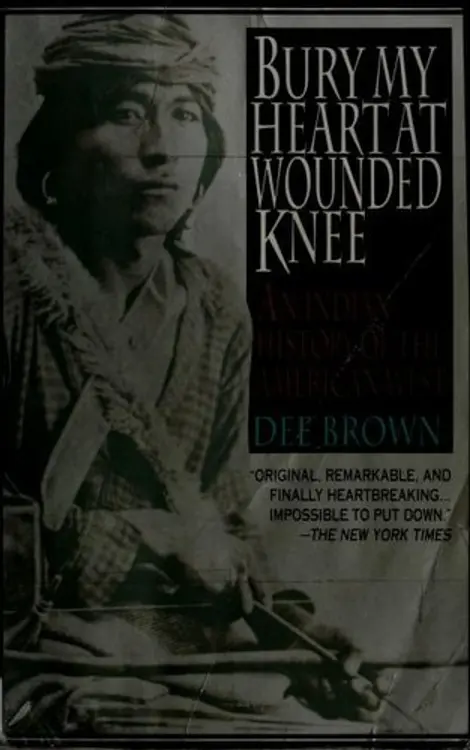
Bury My Heart at Wounded Knee: An Indian History of the American West
Dee Alexander Brown

Black Elk Speaks: The Complete Edition
Black Elk, John G. Neihardt

North American Indians
George Catlin ; edited and with an introduction by Peter Matthiessen.

Reinterpreting New England Indians and the colonial experience
edited by Colin G. Calloway & Neal Salisbury.
Indian boyhood.
With illus. by E. L. Blumenschein.

Empire of the summer moon: Quanah Parker and the rise and fall of the Comanches, the most powerful Indian tribe in American history
S.C. Gwynne.
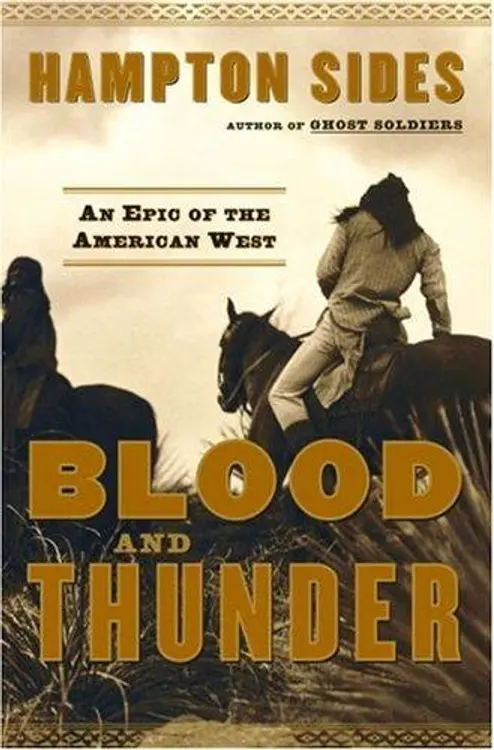
Blood and Thunder: An Epic of the American West
Hampton Sides

Killers of the Flower Moon: the Osage murders and the birth of the FBI
David Grann.
Reader Reviews
No reviews yet for this book.
Be the first to share your thoughts!