
Color conscious
the political morality of race
Our rough guess is there are 47,750 words in this book.
At a pace averaging 250 words per minute, this book will take 3 hours and 11 minutes to read. With a half hour per day, this will take 7 days to read.
How long will it take you?
This book will take an estimated to read at a reading speed averaging words per minute. With 30 minutes per day, this will take to read.
Enter your reading speedYou can take one of our WPM reading speed tests to find your reading speed.
Create a free account to track your reading progress, build your reading list, and set reading goals.
Author
Contributions
- Gutmann, Amy. - Contributor
Publication
1996 - Princeton University Press, Princeton, N.J, New Jersey
Language
English
Word Count
47,750 words, Guess
Page Count
191 pages
Identifiers
- Internet Archivecolorconscious00appi
- ISBN-100691026610
- ISBN-139780691026619
- Goodreads431020
- LibraryThing3625030
Classifications
- DDC305.8/00973
- LCCE185.615 .A77 1996
- LCCE185.615.A77 1996
Description
In America today, the problem of achieving racial justice - whether through "color blind" policies or through affirmative action - provokes more noisy name-calling than fruitful deliberation. In Color Conscious, K. Anthony Appiah and Amy Gutmann, two eminent moral and political philosophers, seek to clear the ground for a discussion of the place of race in politics and in our moral lives. Provocative and insightful, their essays tackle different aspects of the question of racial justice; together they provide a compelling response to our nation's most vexing problem. Appiah begins by establishing the problematic nature of the idea of race. He draws on the scholarly consensus that "race" has no legitimate biological basis, exploring the history of its invention as a social category and showing how the concept has been used to explain differences among groups of people by mistakenly attributing various "essences" to them. Appiah argues that while people of color may still need to gather together, in the face of racism, under the banner of race, they need also to balance carefully the calls of race against the many other dimensions of individual identity; and he suggests, finally, what this might mean for our political life. Gutmann examines alternative political responses to racial injustice. She argues that American politics cannot be fair to all citizens by being color blind because American society is not color blind. Fairness, not color blindness, is a fundamental principle of justice. Whether policies should be color conscious, class conscious, or both in particular situations, depends on an open-minded assessment of their fairness and their capacity to move us closer to a society with liberty and justice for all. Exploring timely issues of university admissions, corporate hiring, and political representation, Gutmann develops a moral perspective that supports a commitment to constitutional democracy. Appiah and Gutmann write candidly and carefully, presenting many-faceted interpretations of a host of controversial issues. Instead of supplying simple answers to complex questions, they offer - to citizens of every color - principled starting points for the ongoing national discussions about race.
Subjects
Topics
Places
Other Editions
- Color conscious: the political morality of race
Similar Books
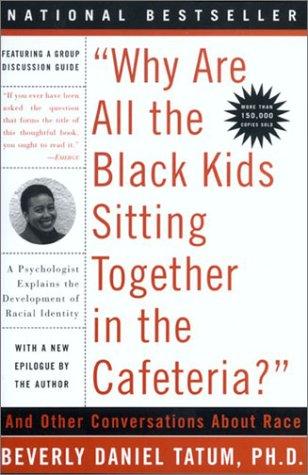
"Why are all the Black kids sitting together in the cafeteria?": and other conversations about race
Beverly Daniel Tatum.

Between the World and Me
Ta-Nehisi Coates
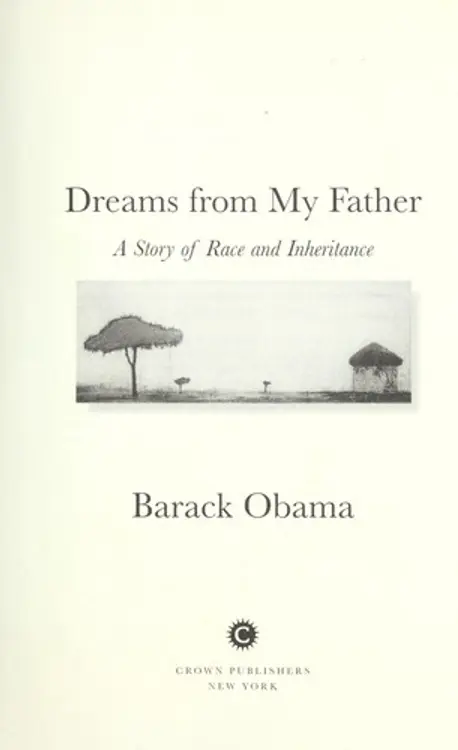
Dreams from my father: a story of race and inheritance
Barack Obama.

Dusk of dawn: an essay toward an autobiography of a race concept
W.E.B. Du Bois ; introduction by K. Anthony Appiah

White Trash: Race and Class in America
Annalee Newitz

How to Be an Antiracist
Ibram X. Kendi, Ibram X. Kendi

Recitatif: A Story
Toni Morrison
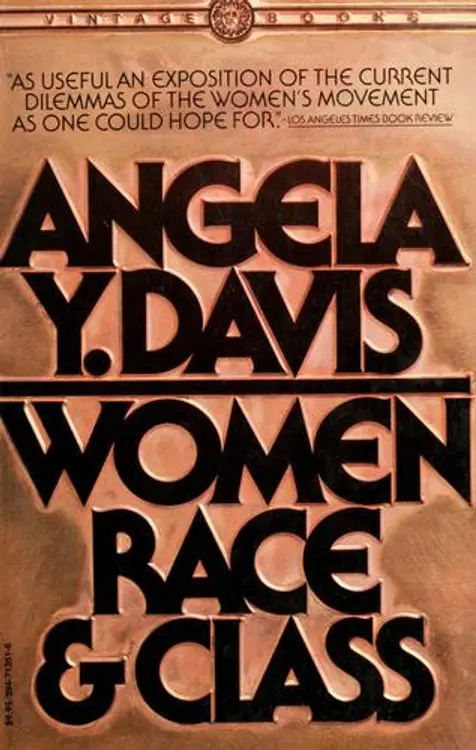
Women, race & class
Angela Y. Davis.
Reader Reviews
No reviews yet for this book.
Be the first to share your thoughts!