
Francisci Baconi de Verulamio ... Novum organum
opus diu integris suis partibus desideratum : in usum juventutis academicae ...
We couldn't estimate the reading time for this book.
Author
Contributions
- Janj, Christian Gottfried Moritz - Contributor
Publication
1839 - Venumdatur apud Gustav. Wuttig, Lipsiae, Germany
Language
Latin
Description
"When The New Organon appeared in 1620, as part of a six-part programme of scientific inquiry entitled 'The Great Renewal of Learning', Francis Bacon was at the high point of his political career, and his ambitious work was groundbreaking in its attempt to give formal philosophical shape to a new and rapidly emerging experimentally based science. Bacon combines theoretical scientific epistemology with examples from applied science, examining phenomena as various as magnetism, gravity and the ebb and flow of the tides, and anticipating later experimental work by Robert Boyle and others. His work challenges the entire edifice of the philosophy and learning of his time, and has left its mark on all subsequent philosophical discussions of scientific method. This volume presents a new translation of the text into modern English by Michael Silverthorne, together with an introduction by Lisa Jardine that sets the work in the context of Bacon's scientific and philosophical activities."--Jacket.
Subjects
Topics
Other Editions
- Francisci Baconi de Verulamio ... Novum organum: opus diu integris suis partibus desideratum : in usum juventutis academicae ...
Show 44 more editions
34 other editions not shown
Similar Books
Of the advancement of learning
by Francis Bacon, Viscount St. Albans ; [edited, with an introduction by G.W. Kitchin].
The physical and metaphysical works of Lord Bacon: including the Advancement of learning and Novum organum
edited by Joseph Devey.
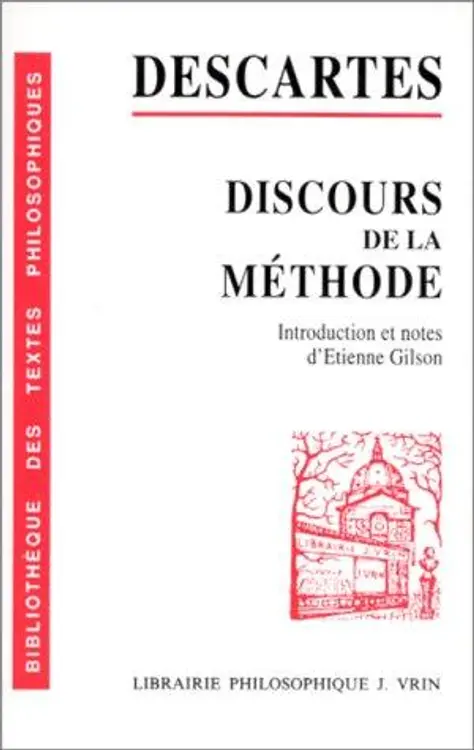
Discours de la méthode
René Descartes, Étienne Gilson
Reader Reviews
No reviews yet for this book.
Be the first to share your thoughts!