
Voice, trust, and memory
marginalized groups and the failings of liberal representation
Our rough guess is there are 82,250 words in this book.
At a pace averaging 250 words per minute, this book will take 5 hours and 29 minutes to read. With a half hour per day, this will take 11 days to read.
How long will it take you?
This book will take an estimated to read at a reading speed averaging words per minute. With 30 minutes per day, this will take to read.
Enter your reading speedYou can take one of our WPM reading speed tests to find your reading speed.
Create a free account to track your reading progress, build your reading list, and set reading goals.
We earn a commission on purchases
Author
Publication
1998 - Princeton University Press, Princeton, N.J, New Jersey
Language
English
Word Count
82,250 words, Guess
Page Count
329 pages
Identifiers
- Open LibraryOL350295M
- ISBN-100691037140
- OCLC Control Number38288598
- OCLC Control Numbervoicetrustmemory00will
- Library of Congress Control Number98009642
and 2 more
- Goodreads4745557
- LibraryThing343250
Classifications
- DDC328.73/07347
- LCCJF1061 .W55 1998
Description
Does fair political representation for historically disadvantaged groups require their presence in legislative bodies? The intuition that women are best represented by women, and African Americans by other African Americans, has deep historical roots. Yet the conception of fair representation that prevails in American political culture and jurisprudence - what Melissa Williams calls "liberal representation" - concludes that the social identity of legislative representatives does not bear on their quality as representatives. Liberal representation's slogan, "one person, one vote," concludes that the outcome of the electoral and legislative process is fair, whatever it happens to be, so long as no voter is systematically excluded. Challenging this notion, Williams maintains that fair representation is powerfully affected by the identity of legislators and whether some of them are actually members of the historically marginalized groups that are most in need of protection in our society.
First Sentence
What constitutes fair political representation?
Subjects
Topics
Other Editions
- Voice, trust, and memory: marginalized groups and the failings of liberal representation
Similar Books
Democracy in America
Alexis de Tocqueville ; specially edited and abridged for the modern reader by Richard D. Heffner, with a new afterword by Vartan Gregorian
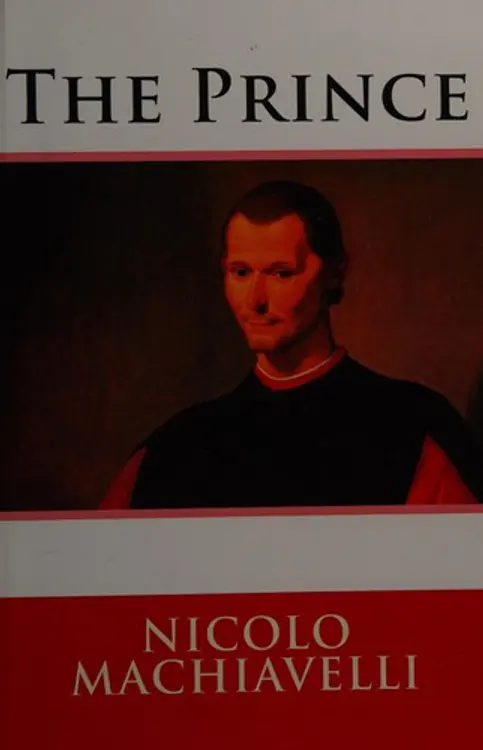
The prince
by Nicolo Machiavelli ; translated by W.K. Marriott
2h 3m read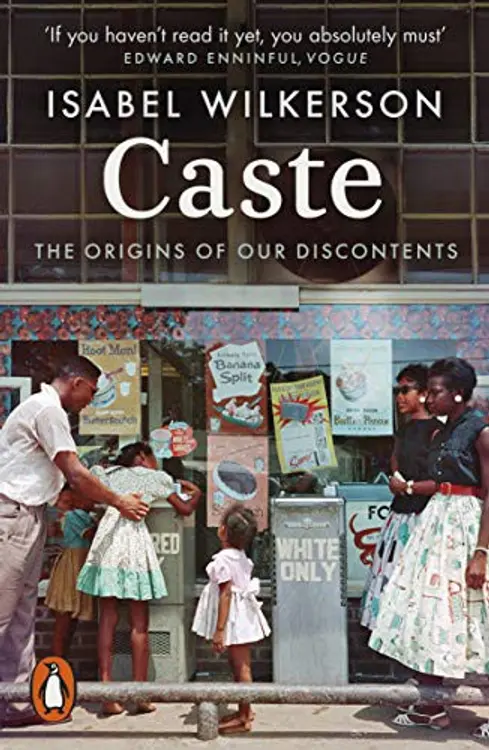
Caste: The International Bestseller
Antonio Francisco Rodríguez Esteban, Isabel Wilkerson

The Athenian Revolution
Josiah Ober

Democratic Justice (The Institution for Social and Policy St)
Ian Shapiro

Voting for democracy: watershed elections in contemporary anglophone Africa
edited by John Daniel, Roger Southall, and Morris Szeftel.
Reader Reviews
No reviews yet for this book.
Be the first to share your thoughts!