
Fighting for US
Maulana Karenga, the US organization, and black cultural nationalism
Our rough guess is there are 57,000 words in this book.
At a pace averaging 250 words per minute, this book will take 3 hours and 48 minutes to read. With a half hour per day, this will take 8 days to read.
How long will it take you?
This book will take an estimated to read at a reading speed averaging words per minute. With 30 minutes per day, this will take to read.
Enter your reading speedYou can take one of our WPM reading speed tests to find your reading speed.
Create a free account to track your reading progress, build your reading list, and set reading goals.
We earn a commission on purchases
Author
Publication
2003 - New York University Press, New York, New York (State)
Language
English
Word Count
57,000 words, Guess
Page Count
228 pages
Identifiers
- Open LibraryOL3672869M
- ISBN-100814798772
- OCLC Control Number51842268
- OCLC Control Numberfightingforusmau0000brow
- Library of Congress Control Number2003004811
and 2 more
- Goodreads1709813
- LibraryThing1360484
Classifications
- DDC305.896/073/0092
- LCCE185.5 .B95 2003
Description
"Fighting for US explores the fascinating history of the US Organization, a Black nationalist group based in California that played a leading role in Black Power politics and culture during the late 1960s and early 1970s whose influence is still felt today. Advocates of Afrocentric renewal, US unleashed creative and intellectual passions that continue to fuel debate and controversy among scholars and students of the Black Power movement." "Founded in 1965 by Maulana Karenga, US established an extensive network of alliances with a diverse body of activists, artists, and organizations throughout the United States for the purpose of bringing about an African American cultural revolution. Fighting for US presents the first historical examination of US's philosophy, internal dynamics, political activism, and influence on African American art, making an elaborate use of oral history interviews, organizational archives, Federal Bureau of Investigation files, newspaper accounts, and other primary sources of the period." "This book also sheds light on factors contributing to the organization's decline in the early 1970s - government repression, authoritarianism, sexism, and elitist vanguard politics."--Jacket.
Subjects
Topics
Places
People
Times
Genres
- Biography.
Similar Books

The Black Panthers speak
edited by Philip S. Foner ; with a new foreword by Clayborne Carson.
Reckoning Day: Race, Place, and the Atom Bomb in Postwar America
Jacqueline Foertsch
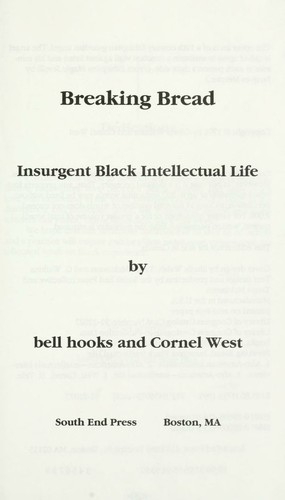
Breaking bread: insurgent Black intellectual life
by Bell Hooks and Cornel West.

Cultural Trauma: Slavery and the Formation of African American Identity (Cambridge Cultural Social Studies)
Ron Eyerman
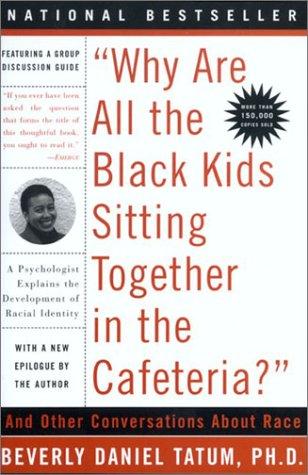
"Why are all the Black kids sitting together in the cafeteria?": and other conversations about race
Beverly Daniel Tatum.
Reader Reviews
No reviews yet for this book.
Be the first to share your thoughts!