
Was Huck Black?
Mark Twain and African-American voices
Our rough guess is there are 67,500 words in this book.
At a pace averaging 250 words per minute, this book will take 4 hours and 30 minutes to read. With a half hour per day, this will take 9 days to read.
How long will it take you?
This book will take an estimated to read at a reading speed averaging words per minute. With 30 minutes per day, this will take to read.
Enter your reading speedYou can take one of our WPM reading speed tests to find your reading speed.
Create a free account to track your reading progress, build your reading list, and set reading goals.
We earn a commission on purchases
Author
Publication
1993 - Oxford University Press, New York, New York (State)
Language
English
Word Count
67,500 words, Guess
Page Count
270 pages
Identifiers
- Open LibraryOL1727066M
- ISBN-100195082141
- OCLC Control Number26724043
- OCLC Control Numberwashuckblack00shel
- Library of Congress Control Number92031228
and 2 more
- LibraryThing130887
- Goodreads930050
Classifications
- DDC813/.4
- LCCPS1305 .F57 1993
Description
Published in 1884, Huckberry Finn has become one of the most widely taught novels in American curricula. But where did it come from, and what made it so distinctive? Shelly Fisher Fishkin suggests that in Huckleberry Finn, more than in any other work, Mark Twain let African-American voices, language, and rhetorical traditions play a major role in the creation of his art. In Was Huck Black?, Fishkin combines close readings of published and unpublished writing by Twain with intensive biographical and historical research and insights gleaned from linguistics, literary theory, and folklore to shed new light on the role African-American voices played in the genesis of Huckleberry Finn. Given that book's importance in American culture, her analysis illuminates, as well, how African-American voices have shaped our sense of what is distinctively "American" about American literature. Fishkin shows that Mark Twain was surrounded, throughout his life, by richly talented African-American speakers whose rhetorical gifts Twain admired candidly and profusely. A black child named Jimmy whom Twain called "the most art-less, sociable, and exhaustless talker I ever came across" helped Twain understand the potential of a vernacular narrator in the years before he began writing Huckberry Finn, and served as a model for the voice with which Twain would transform American literature. A slave named Jerry whom Twain referred to as an "impudent and satirical and delightful young black man" taught Twain about "signifying" - satire in an African-American vein - when Twain was a teenager (later Twain would recall that he thought him "the greatest man in the United States" at the time). Other African-American voices left their mark on Twain's imagination as well - but their role in the creation of his art has never been recognized. Was Huck Black? adds a new dimension to current debates over multiculturalism and the canon. American literary historians have told a largely segregated story: white writers come from white literary ancestors, black writers from black ones. The truth is more complicated and more interesting. While African-American culture shaped Huckleberry Finn, that novel, in turn, helped shape African-American writing in the twentieth century. As Ralph Ellison commented in an interview with Fishkin, Twain "made it possible for many of us to find our own voices.". Was Huck Black? dramatizes the crucial role of black voices in Twain's art, and takes the first steps beyond traditional cultural boundaries to unveil an American literary heritage that is infinitely richer and more complex than we had thought.
First Sentence
Twentieth-century American criticism abounds in pronouncements about how Twain's choice of a vernacular narrator in Huckleberry Finn transformed modern American literature.
Excerpt
Twentieth-century American criticism abounds in pronouncements about how Twain's choice of a vernacular narrator in Huckleberry Finn transformed modern American literature.
Subjects
Topics
People
Times
Genres
- Biography.
Other Editions
- Was Huck Black?: Mark Twain and African-American voices
Similar Books
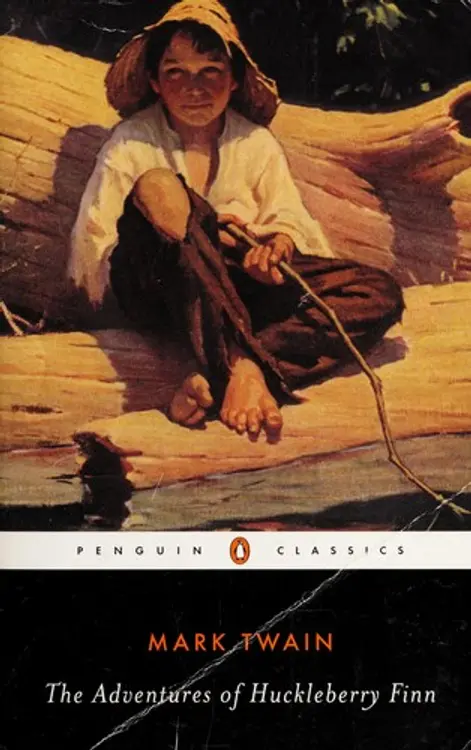
The Adventures of Huckleberry Finn
Mark Twain ; with an introduction by John Seelye ; notes by Guy Cardwell.
7h 22m readTom Sawyer, Detective
Mark Twain
1h 33m read
Learning from difference: teaching Morrison, Twain, Ellison, and Eliot
Richard C. Moreland.

Life on the Mississippi
Mark Twain ; foreword, Shelley Fisher Fishkin ; introduction, Willie Morris ; afterword, Lawrence Howe.

Mark Twain: A Biography
Albert Bigelow Paine

Mark Twain's America
Bernard Augustine De Voto
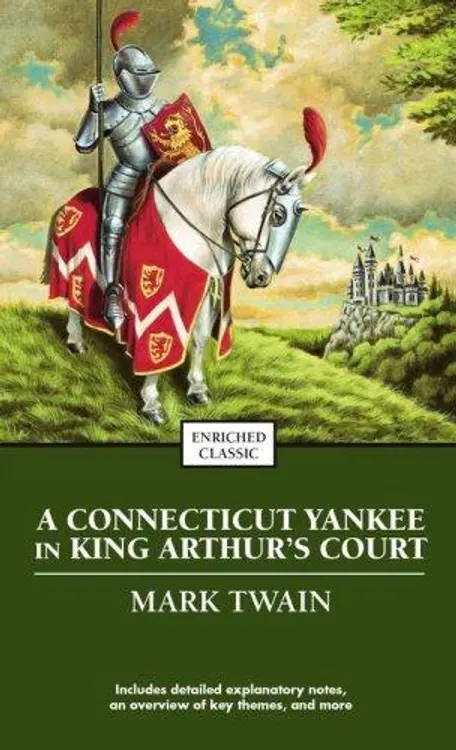
A Connecticut Yankee in King Arthur's Court
Mark Twain
7h 53m read
Ötekilerin Kökeni
Toni Morrison
Reader Reviews
No reviews yet for this book.
Be the first to share your thoughts!