
The Oglala people, 1841-1879
a political history
Our rough guess is there are 58,500 words in this book.
At a pace averaging 250 words per minute, this book will take 3 hours and 54 minutes to read. With a half hour per day, this will take 8 days to read.
How long will it take you?
This book will take an estimated to read at a reading speed averaging words per minute. With 30 minutes per day, this will take to read.
Enter your reading speedYou can take one of our WPM reading speed tests to find your reading speed.
Create a free account to track your reading progress, build your reading list, and set reading goals.
We earn a commission on purchases
Author
Publication
1996 - University of Nebraska Press, Lincoln, Nebraska
Language
English
Word Count
58,500 words, Guess
Page Count
234 pages
Identifiers
- Open LibraryOL790676M
- ISBN-100803237103
- OCLC Control Number32702609
- OCLC Control Numberoglalapeople184100pric
- Library of Congress Control Number95023153
and 2 more
- LibraryThing3634666
- Goodreads4445098
Classifications
- DDC978/.004975
- LCCE99.O3 P75 1996
Description
In the late nineteenth century the U.S. government attempted to reshape Lakota (Sioux) society to accord with American ideals. This acculturation effort included attempts to modify or subvert traditional Lakota political customs and to replace traditional leadership with individuals more attuned to government desires. Catherine Price charts the political strategies employed by Oglala councilors as they struggled to preserve their political customs and autonomy. She examines Lakota concepts of leadership and decision-making authority, highlighting the fluid political relationship among the several forms of Oglala leadership, such as the itancan (symbolic fathers of bands, or tiyospaye). Over the years Oglala leaders had to deal not only with their internal political questions but also with their relations to other Lakota bands, particularly those who rejected a relationship with the United States. The shifting tribal relations and the network of conflicts and accommodations were largely impenetrable to U.S. agents, who were often frustrated by their inability to understand Lakota leadership or opinions. U.S. officials' despair over apparent intransigence or mercurial changes in attitude contributed as much to misunderstanding and conflict as did internal Lakota dissension and shifts in alliance. Examining events in this period from an Oglala standpoint significantly adds to our understanding of the actions taken by the Oglala and deepens our understanding of their relations with the United States, including such conflicts as the Battle of the Little Bighorn.
Subjects
Topics
Places
Times
Other Editions
- The Oglala people, 1841-1879: a political history
Similar Books

Black Elk Speaks: The Complete Edition
Black Elk, John G. Neihardt
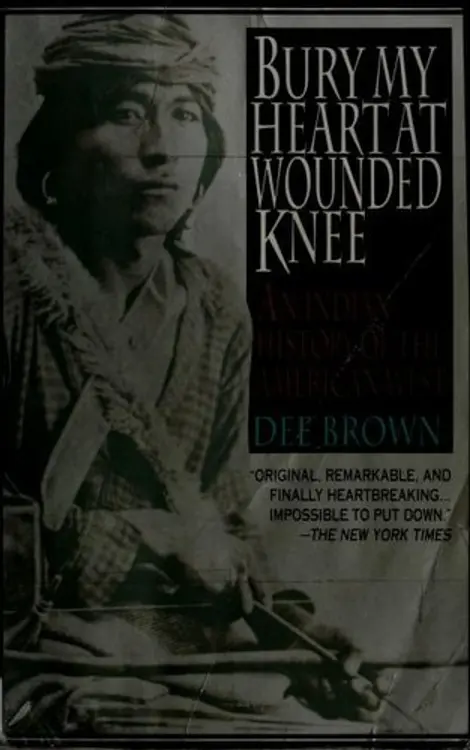
Bury My Heart at Wounded Knee: An Indian History of the American West
Dee Alexander Brown
Black Elk speaks: being the life story of a holy man of the Ogalala Sioux
as told to John G. Neihardt (Flaming Rainbow) illustrated by Standing Bear

North American Indians
George Catlin ; edited and with an introduction by Peter Matthiessen.
Reader Reviews
No reviews yet for this book.
Be the first to share your thoughts!